Stock Codes:
002821.SZ / 6821.HK
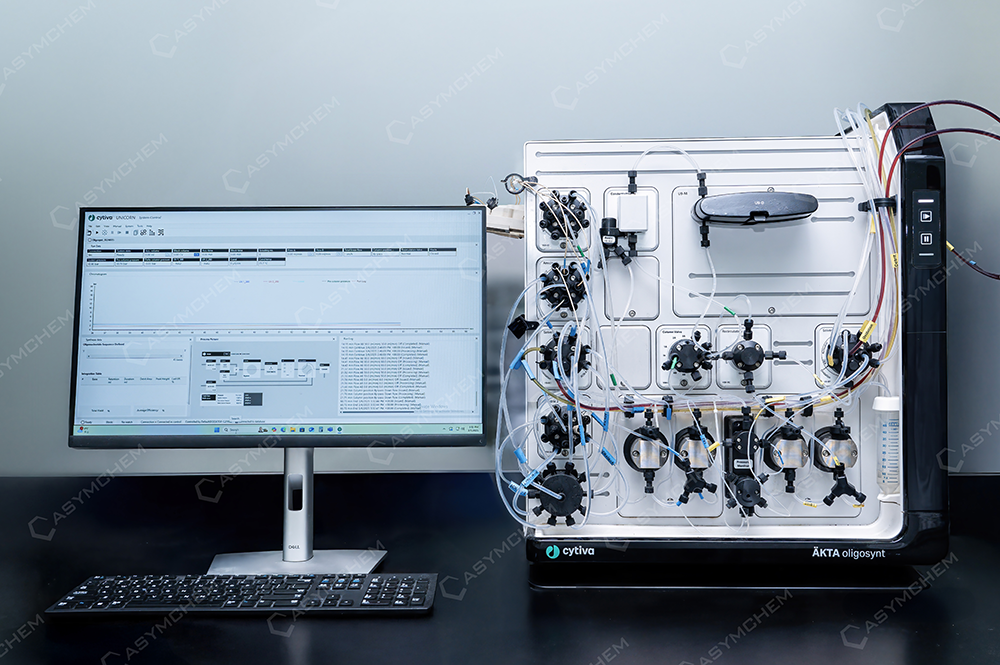
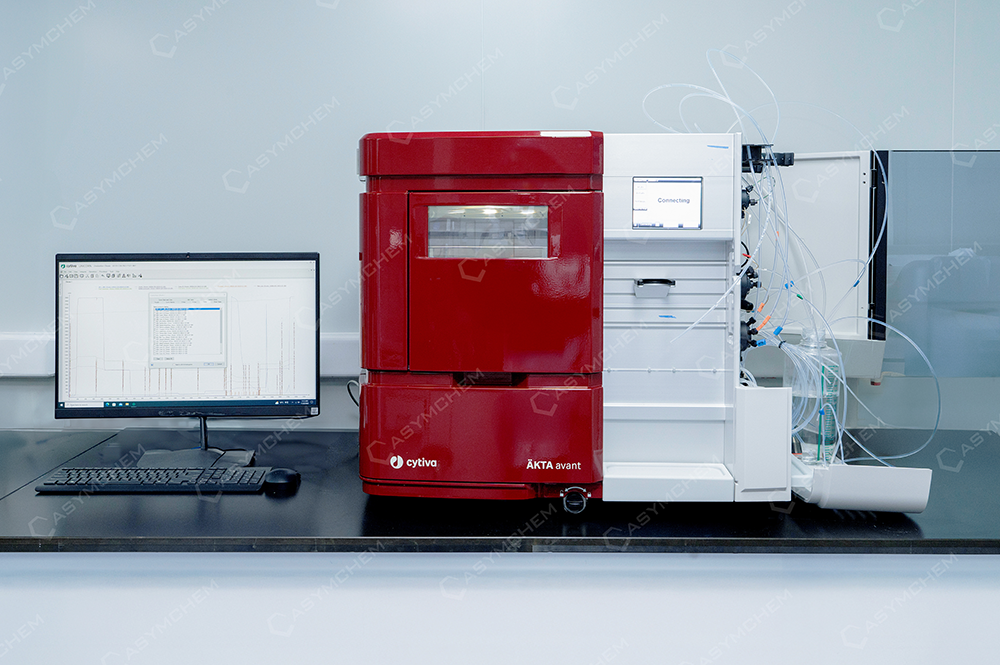
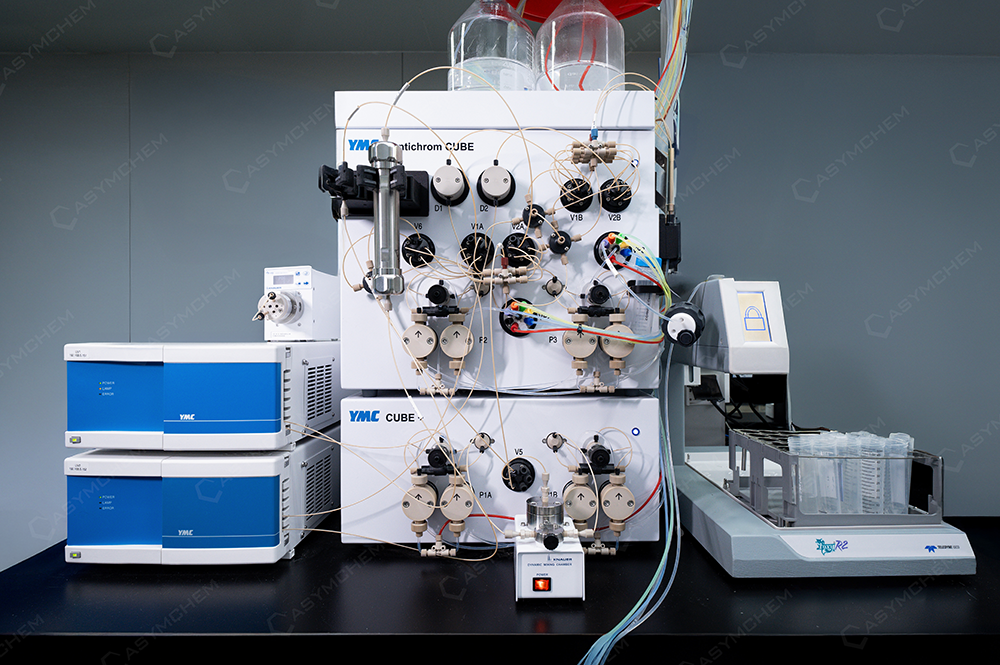
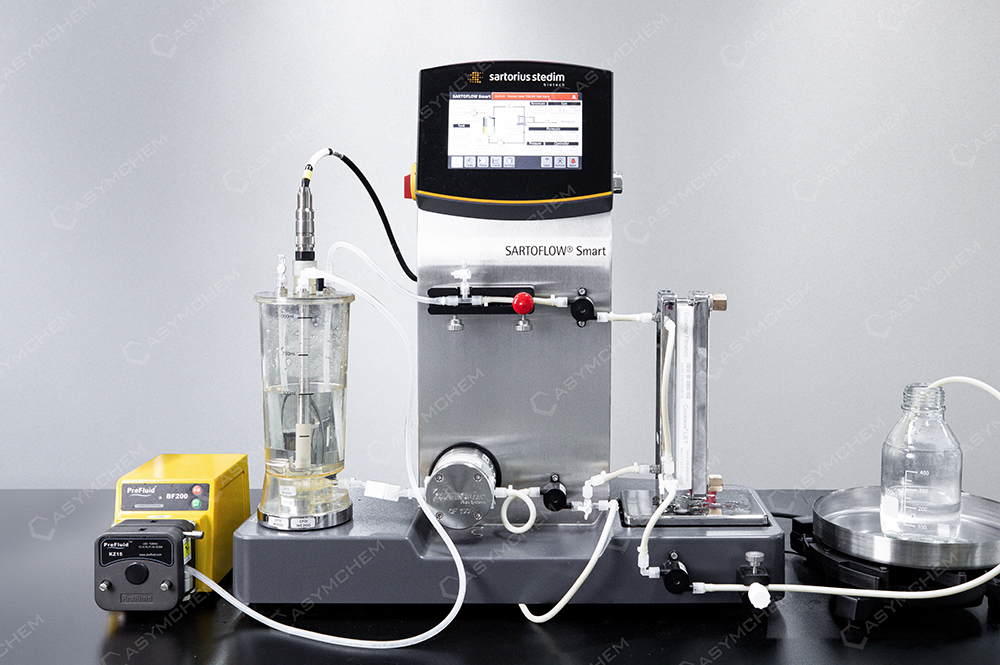
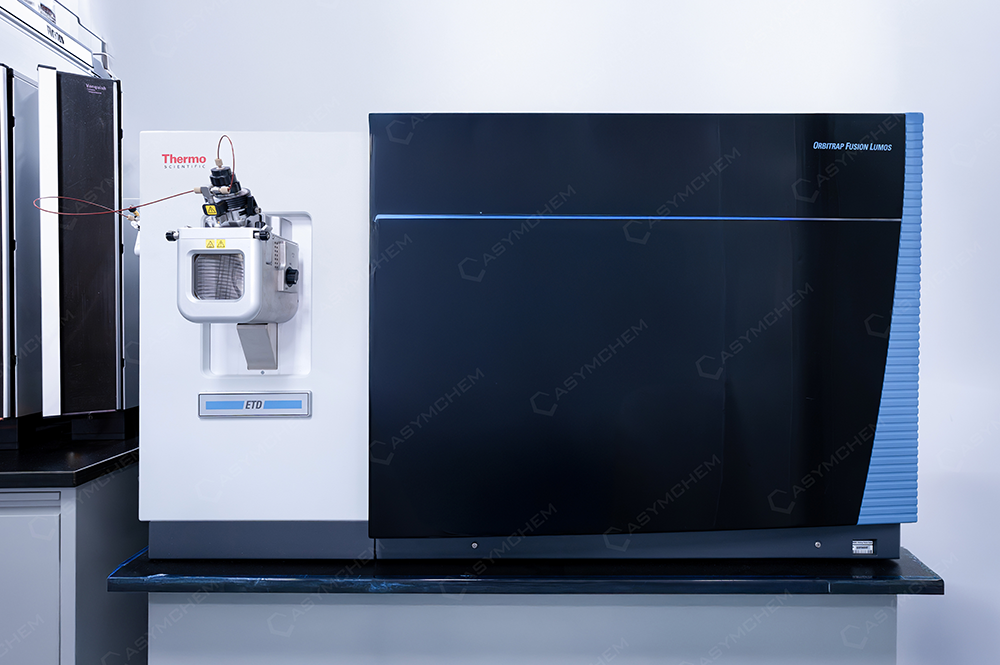
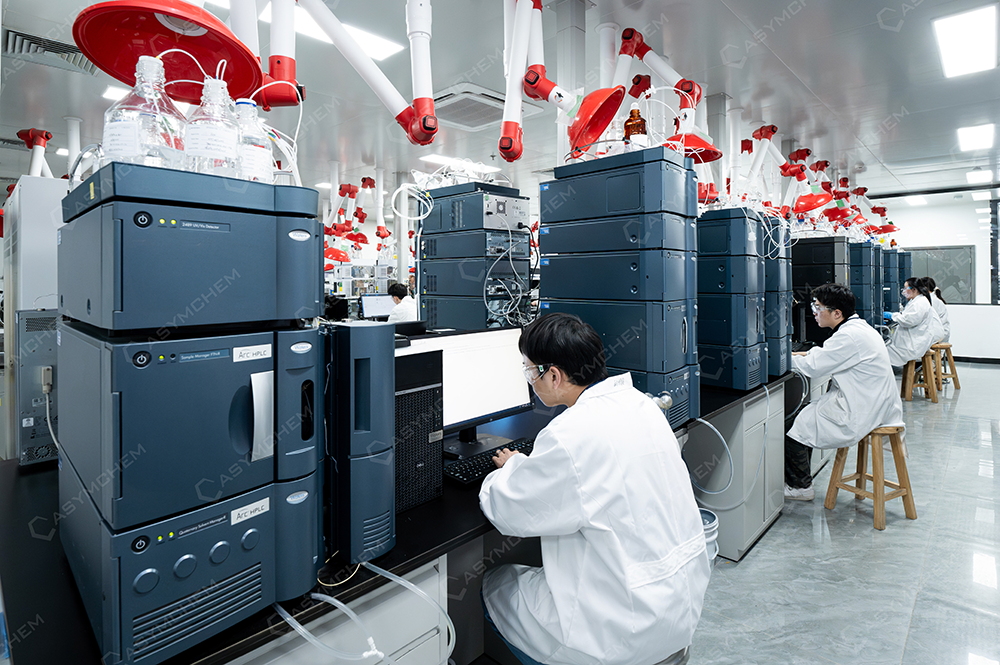
Equipped with 100 to 800mm full specification synthesis columns and supporting automated synthesizers, with an annual output of 1,000 kilograms, the solid phase synthesis capacity ranks among the top in Asia
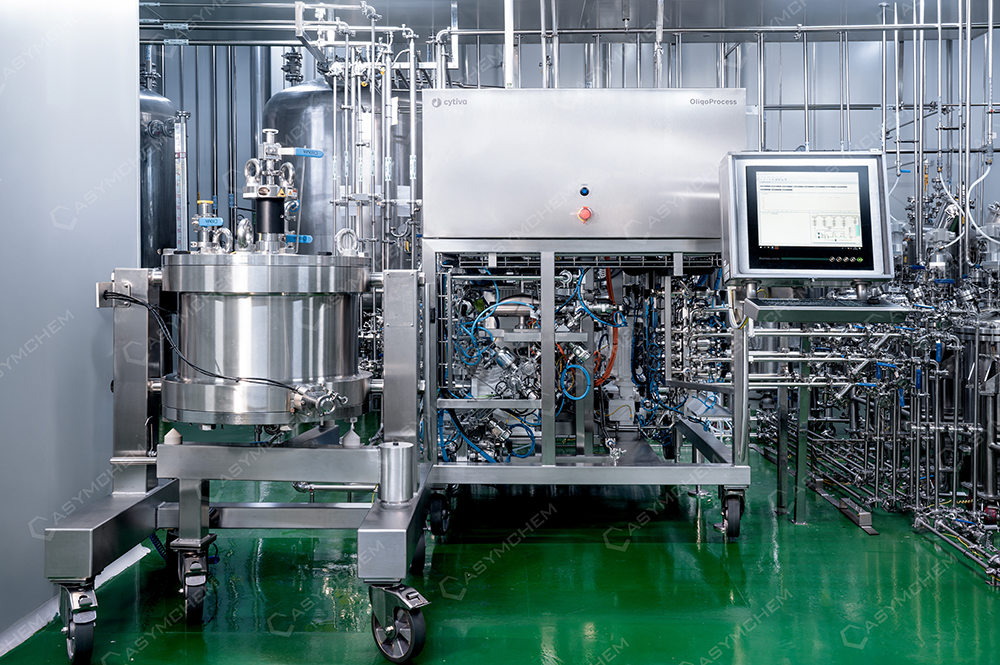
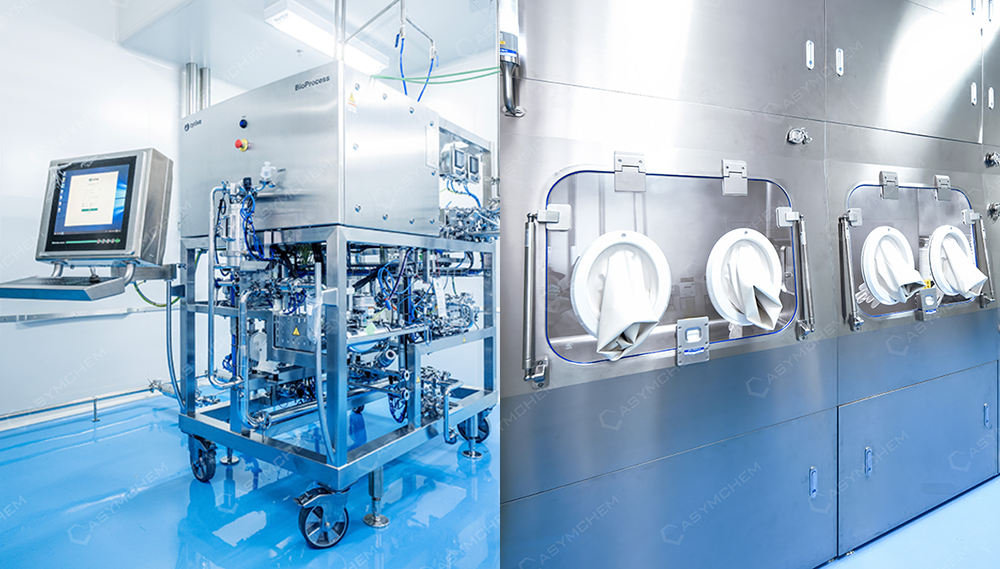
It is also equipped with online ammonolysis systems; ÄKTA/BioProcess purification systems; industrial grade Prep HPLC; fully automatic ultrafiltration systems; Class C lyophilization equipment and isolators.

Sequence based process development
Humidity control for high coupling efficiency
Detrit.CV control strategy
Coupling technology
Reduction of phosphoramidite equivalent

Impurity control (synthesis & post processing stages)
Specific impurity control
Process characterization using tools such as OFAT, DoE and residue experiments
Operational risk and equipment suitability analysis

Reduction of PMI in solid phase synthesis (SPOS)
Enzymatic synthesis
Liquid phase synthesis (LPOS)
Blockmer application

Continuous reaction technology
Purification
Tangential flow filtration
Precipitation
Freeze drying
15-80 nt
Single batch output can reach 10 kilograms
High applicability
Coupling efficiency up to 99.5%+
Short lead time
Highly automated
20-40 nt
Short coupling steps suitable for solid phase synthesis
Under clinical application development
Lower process PMI compared to solid phase synthesis
Lower process PMI compared to solid phase synthesis
Enables continuous production
Features application prospects in chemical and biosynthesis
Biosynthesis
Cost optimization
Purity improvement
Method Development: Develop customized and robust method development strategies tailored to the structural characteristics of oligonucleotides (e.g., sequences, modifications) in reference to ICH Q14.
Method Validation: Perform comprehensive validation (e.g., specificity, accuracy, linearity, LOD/LOQ, etc.) in accordance with ICH Q2(R1) and pharmacopoeias to ensure compliance of release and stability indicating methods.
Method Transfer: Develop transfer protocols (comparative testing, co-validation) to ensure reliable performance of methods across different laboratories.
Method Optimization and Troubleshooting: Resolve challenges with clients’ existing methods or optimize performance.
Accurate molecular weight determination (including sequence length, base composition, modification types)
Sequence confirmation to verify the nucleotide arrangement order
Base composition analysis to verify that the molar ratios of native and modified bases (e.g., methylcytosine, pseudouridine, etc.) in oligonucleotides are consistent with theoretical values.
Terminal structure confirmation to verify the correct and complete attachment of modifying moieties (protecting groups, linkers, reporter groups, capping groups, etc.).
Backbone modification confirmation to verify the type, quantity and distribution of phosphodiester backbone modifications (e.g., phosphorothioate).
Stereostructure analysis, such as phosphorothioate linkages, stereochemical configuration of L nucleosides
Physical property study, e.g., osmotic pressure, solubility, pH value, hygroscopicity.
Identification and Sequence Confirmation: molecular weight, sequence, chromatographic behavior, base composition analysis, etc.
Purity and impurity analysis: main peak purity, impurity profile (process impurities such as short chain and long chain oligonucleotides, failure sequences, incomplete removal of protecting groups, incomplete phosphorylation products, phosphorothioate oxidation / isomerization products), degradation impurities (such as depurination, strand breaks, oxidation, desulfurization, etc.)
Assay determination
Biological activity
Other Tests: e.g., appearance, water content, residue on ignition, inorganic ions/elemental impurities, residual solvents, reagent residues, solution clarity and color, pH, osmotic pressure, etc.
Microbiological Testing: bioburden (complying with USP/EP/Ch.P standards), bacterial endotoxins (gel clot LAL assay, kinetic turbidimetric method and recombinant Factor C technology), etc.
Calibration of Primary Reference Standard
Preparation, calibration and management of Working Reference Standard
Isolation, purification, identification and calibration of impurity reference standards
Design and execute stability study protocols (accelerated, long term, intermediate conditions) in compliance with ICH Q1A (R2)
Provision of Stability Indicating Methods
Periodic testing of critical quality attributes (CQAs) to evaluate degradation pathways and rates
Prepare professional stability study reports to support IND/NDA filings
Solid data integrity foundation: in compliance with ALCOA principles (including computerized systems, electronic data and paper records)
Sound quality management system: a management system built based on cGMP regulations, including deviation, change control, OOS/ATR processes, internal audits and supplier management.
Extensive audit experience
Insight, solutions and innovations delivered to your inbox.
Sign up for our newsletter!